Digital Accessibility Legal Update: ADA Anniversary Edition

[This post updated August 2020] July 26 marks the 30th anniversary of the Americans with Disabilities Act. The ADA was passed just one year after Sir Tim Berners-Lee invented the world wide web. In 1990 when then-president George Bush signed the law there were exactly zero websites. Two years later there were ten. And today? Over 1,786,367, 115. Because of the brilliance of the disability organizers and bill drafters, the ADA has provided a strong foundation for advancing accessibility in the digital world. Read more… Digital Accessibility Legal Update: ADA Anniversary Edition
Structured Negotiation helps parties resolve claims of blind Medi-Cal IHSS Recipients

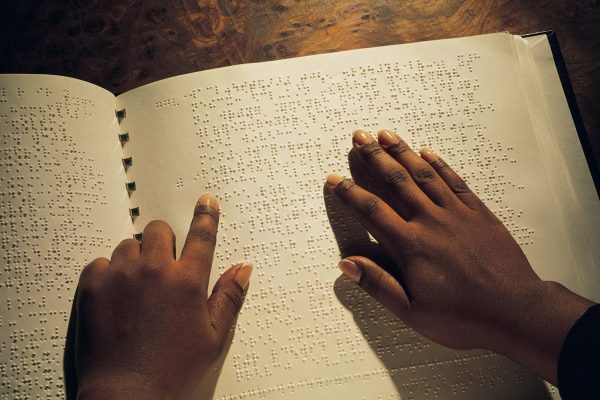
In February, 2017 California disability rights organizations announced what they termed a “novel settlement” with the State of California. The settlement, reached in Structured Negotiation, guaranteed that blind state Medi-Cal In-Home Supportive Services (IHSS) recipients received important government information in formats they could read, including braille, large print, and accessible electronic documents. Read the press… Read more… Structured Negotiation helps parties resolve claims of blind Medi-Cal IHSS Recipients

Happy Birthday WCAG — Now You are Twenty!

On May 5, 1999 the World Wide Web Consortium (W3C) issued a press release announcing the publication of the Web Content Accessibility Guidelines (WCAG) 1.0. The headline was confident: “WAI Provides Definitive Guidance for Web Access by People with Disabilities.” Let’s honor WCAG’s birthday by redoubling efforts to make the promise of the web a reality — let’s make it available to everyone, including people with disabilities. Read more… Happy Birthday WCAG — Now You are Twenty!

Patreon Accessibility Press Release

Congratulations Patreon! The popular membership platform for creators and their supporters recently announced its commitment to digital accessibility with the press release posted here. Patreon worked in conjunction with the American Council of the Blind and blind creators and patrons including Robert Kingett in Structured Negotiation on its accessibility initiative. Lainey Feingold and Washington, D.C.… Read more… Patreon Accessibility Press Release

Alphabet Soup of A Name; Giant Commitment to Digital Access

This post is about an unsung hero of web accessibility — the Education and Outreach Working Group (EOWG) of the World Wide Web Consortium (W3C) Web Accessibility Initiative (WAI). The W3C WAI EOWG :  Now you understand why I put ‘alphabet soup’ in the title of this post. But don’t let a clunky name deceive you. If you care about digital accessibility you need to know EOWG and probably already rely on its work without being aware of it. Read more… Alphabet Soup of A Name; Giant Commitment to Digital Access

Community in Toronto: What Made the #A11yTO Conferences So Spectacular?

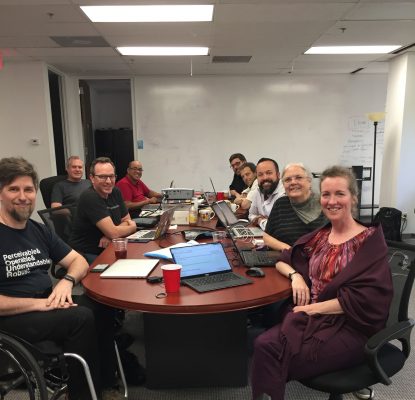
I’m sitting in the airport on my way home from two conferences put on by #A11yTO. I’ve been trying to figure out what made the three days in Toronto so great. This post is what I’ve come up with. #A11yTO is a volunteer-run digital accessibility community in Toronto. Puzzled by the title? A11y (that’s A-eleven-Y)… Read more… Community in Toronto: What Made the #A11yTO Conferences So Spectacular?

Big Win for Web Accessibility in Domino’s Pizza Case

[UPDATE: On October 7, 2019 the United States Supreme Court announced it would not hear, would not rule on, the Domino’s case. On June 13, 2019 Domino’s asked the United States Supreme Court to hear this case and reverse this decision. Read the October 7, 2019 post on this website about the Supreme Court’s announcement.]… Read more… Big Win for Web Accessibility in Domino’s Pizza Case

U.S. Supreme Court Won’t Hear The Domino’s Case (Hooray!)

Great news for advocates of digital inclusion for people with disabilities! Today the United States Supreme Court rejected Domino’s Pizza’s efforts to overturn the Ninth Circuit federal appeals court opinion in the Domino’s web and mobile accessibility case. That appeals court opinion said that disabled people can bring claims under the Americans with Disabilities Act if a website or mobile application is not accessible. Read more… U.S. Supreme Court Won’t Hear The Domino’s Case (Hooray!)