E*Trade Announces Accessibility Initiative

NEW YORK, JUNE 21, 2016 – E*TRADE Financial Corporation (NASDAQ:ETFC) today announced an initiative to enhance its website, mobile applications, and desktop trading and investing platforms to make them more accessible for customers with disabilities. E*TRADE worked with representatives of the blind community to enhance its platforms for traders and investors with visual impairments: Having full access to financial investing tools is important for everyone. I’m happy that E*TRADE will make its web and mobile platforms more accessible, particularly for people who are blind or partially sighted, when it comes to all aspects of trading and investing.Pratik Patel, long-time E*TRADE customer who is blind Read more… E*Trade Announces Accessibility Initiative

Blind Advocacy for Accessible Technology Has Rich California History

October 10 – 16, 2010, has been designated by the California legislature as the state’s first ever “Disability History Week.” The official designation is the result of disability community advocacy efforts spearheaded by “Youth Organizing! Disabled and Proud”, a project of the the California Foundation for Independent Living Centers. This historic week provides a welcomed opportunity to look at the history made by blind advocates and their organizations in California as part of the on-going push for accessible technology. Read more… Blind Advocacy for Accessible Technology Has Rich California History

Court Injunction Requires Access to Paper Currency

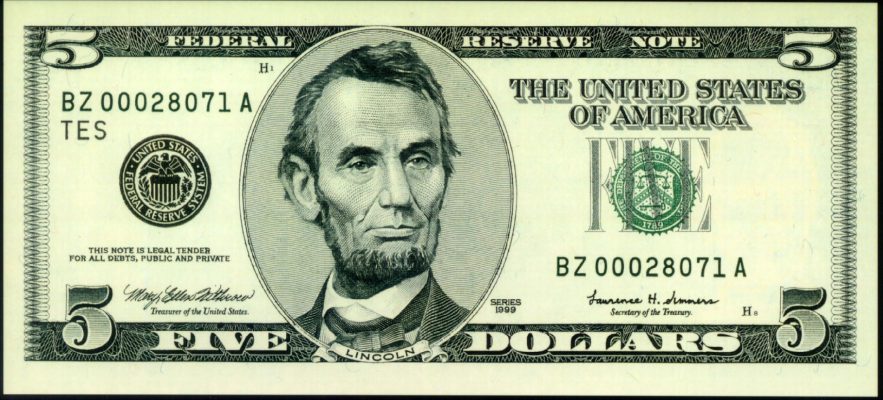
On Friday, October 3, 2008, U.S. District Court Judge James Robertson issued an historic injunction against the United States Treasury. In a case brought by the American Council of the Blind (ACB) and blind advocates, Judge Robertson held that the Treasury “violated Section 504 of the Rehabilitation Act by failing to provide meaningful access to United States currency for blind and other visually impaired persons.” The Treasury was ordered to take steps to make United States currency accessible to people who are blind. Washington, D.C. lawyer Jeff Lovitky handled the case for ACB. Read more… Court Injunction Requires Access to Paper Currency

Bank of America Announces New Initiative for Accessible Mortgage Documents

May 4, 2016 Press Release: Bank of America announces it has begun an initiative to enhance the accessibility of its online mortgage documents for visually impaired customers. The bank worked in Structured Negotiations with Jessie Lorenz, a visually impaired customer, and with Lainey Feingold and Linda Dardarian on the initiative. Read more… Bank of America Announces New Initiative for Accessible Mortgage Documents

More Delay for Federal Pedestrian Signal Regs

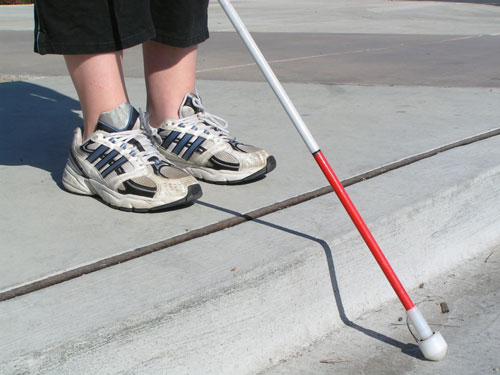
In 1999 a little known federal agency called the United States Access Board had a good idea. Nine years after passages of the Americans with Disabilities Act (ADA), the Board issued an official notice of its “intent to establish a Public Rights-of-Way Access Advisory Committee.” The committee’s job was to make recommendations for accessibility guidelines for public rights-of-way covered by the ADA. Read more… More Delay for Federal Pedestrian Signal Regs

Lainey Feingold to receive AFB Access Award

Lainey and co-counsel Lainey and co-counsel Linda Dardarian are being honored on April 4 at the 2008 National Conference of the the American Foundation for the Blind (AFB). Lainey and Linda will receive one of AFB’s three 2008 Access Awards for their pioneering work in resolving complex accessible technology claims without litigation. Technology developers Serotek and Code Factory will also receive Access Awards, and Anita Aaron, Executive Director of the San Francisco LightHouse will receive the organization’s Gallagher Award. Read more… Lainey Feingold to receive AFB Access Award

GAAD 2014: People are Different and We All Use Technology. Why Isn’t More of it Accessible?

May 15 2014 is the third annual Global Accessibility Awareness Day, or GAAD. The day was conceived by Los Angeles web developer Joe Devon and accessibility virtuoso Jennison Asuncion. Virtual and live events are being held around the globe to bring attention to a simple idea: People are different, and we use digital devices and consume digital content in different ways. Read more… GAAD 2014: People are Different and We All Use Technology. Why Isn’t More of it Accessible?

Can’t Someone Read that to You? Dissolving Stereotypes of Blindness

On June 25, 2013, the World Intellectual Property Organization (WIPO), an agency of the United Nations, reached agreement on an historic document designed to provide access to reading materials for people who are blind or have other print disabilities. The draft WIPO treaty changes copyright law to reflect that blind people need formats other than standard print in order to read. These alternative formats, or accessible formats, include Braille, audio, Large Print, accessible web content and other accessible electronic documents. The lack of accessible, available formats, and not blindness, is why blind people cannot read huge swaths of information available in standard print format. The need for accessible information has been at the core of many of the settlement agreements reached as a result of Structured Negotiations. Many of those negotiations began with stereotypes about blind people and their right, desire, and need to read independently. Read more… Can’t Someone Read that to You? Dissolving Stereotypes of Blindness